What Goes Into an Exhibition? SSSPNS Exibition.
By Rene · 31 July 2026
When visiting an exhibition, most people experience the finished result: artworks carefully arranged across the gallery walls, labels positioned beside each piece, and a space that appears organised and visually cohesive. What is often less visible is the amount of planning, physical work, administration, collaboration, and problem-solving required before the exhibition is ready to open to the public.
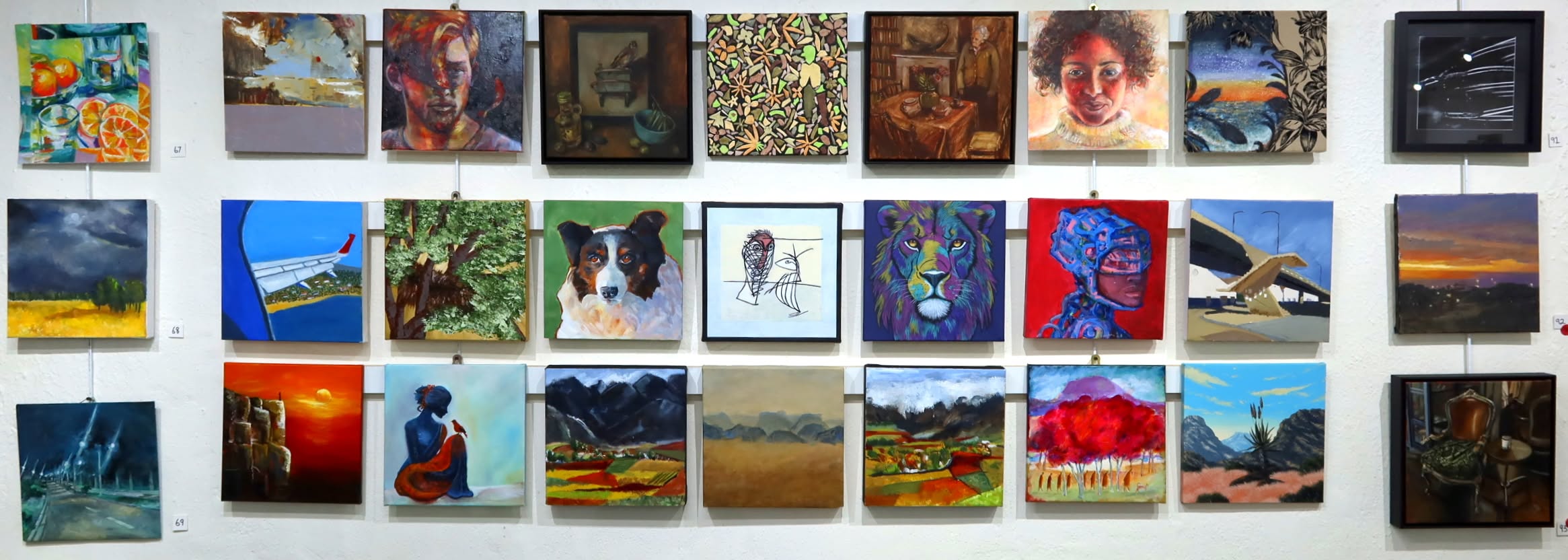
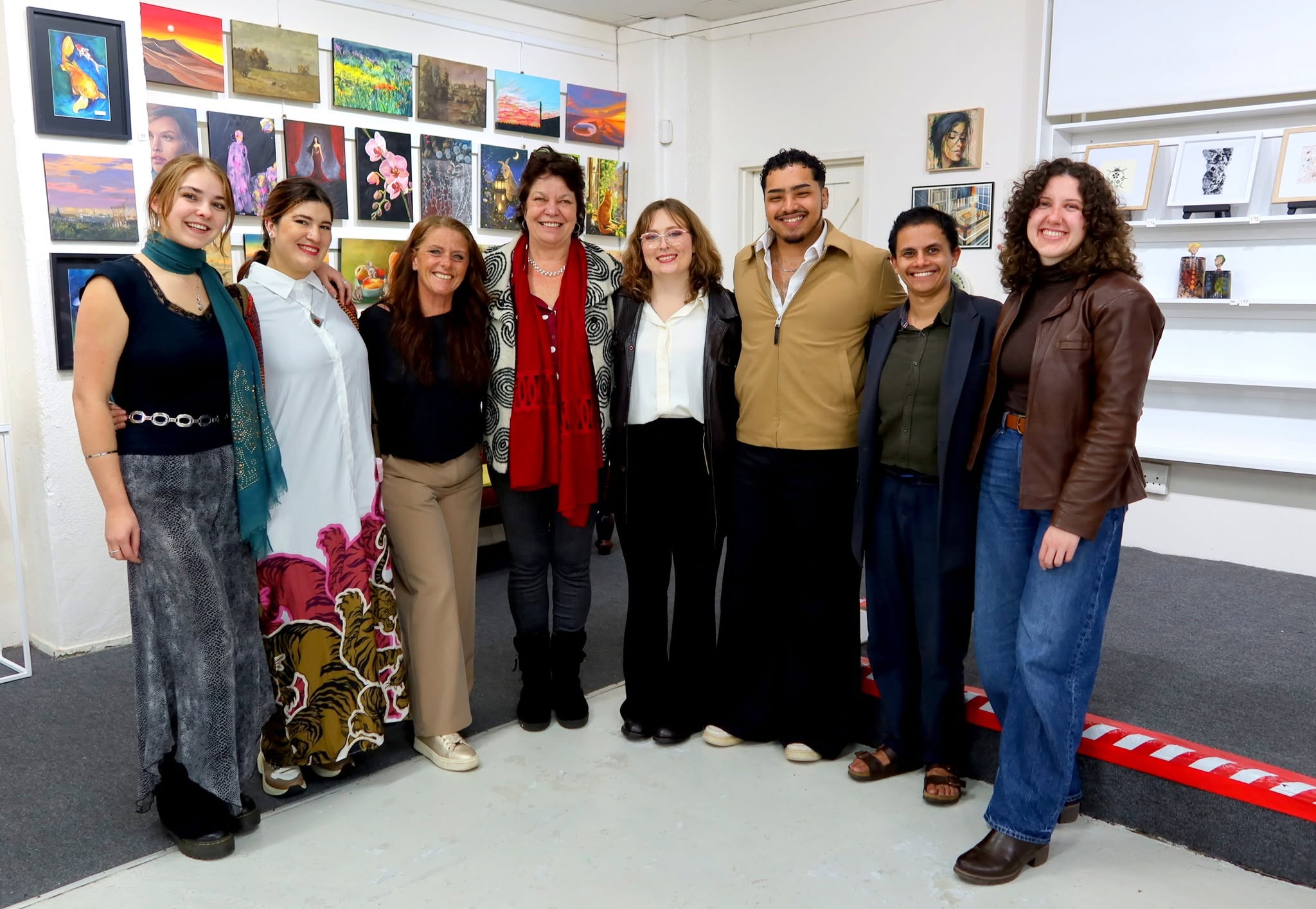
Photo by Basil Brady
As a Visual Arts Honours student at Nelson Mandela University, I had the opportunity to work alongside fellow Honours students on the 2026 Same Size, Same Price, No Signature Exhibition at Art on Target. Under the guidance of Art on Target director Bretten-Anne Moolman, our group was involved in the exhibition process from the initial receipt of artworks through to installation, the opening event, gallery duties, and the eventual takedown of the exhibition.
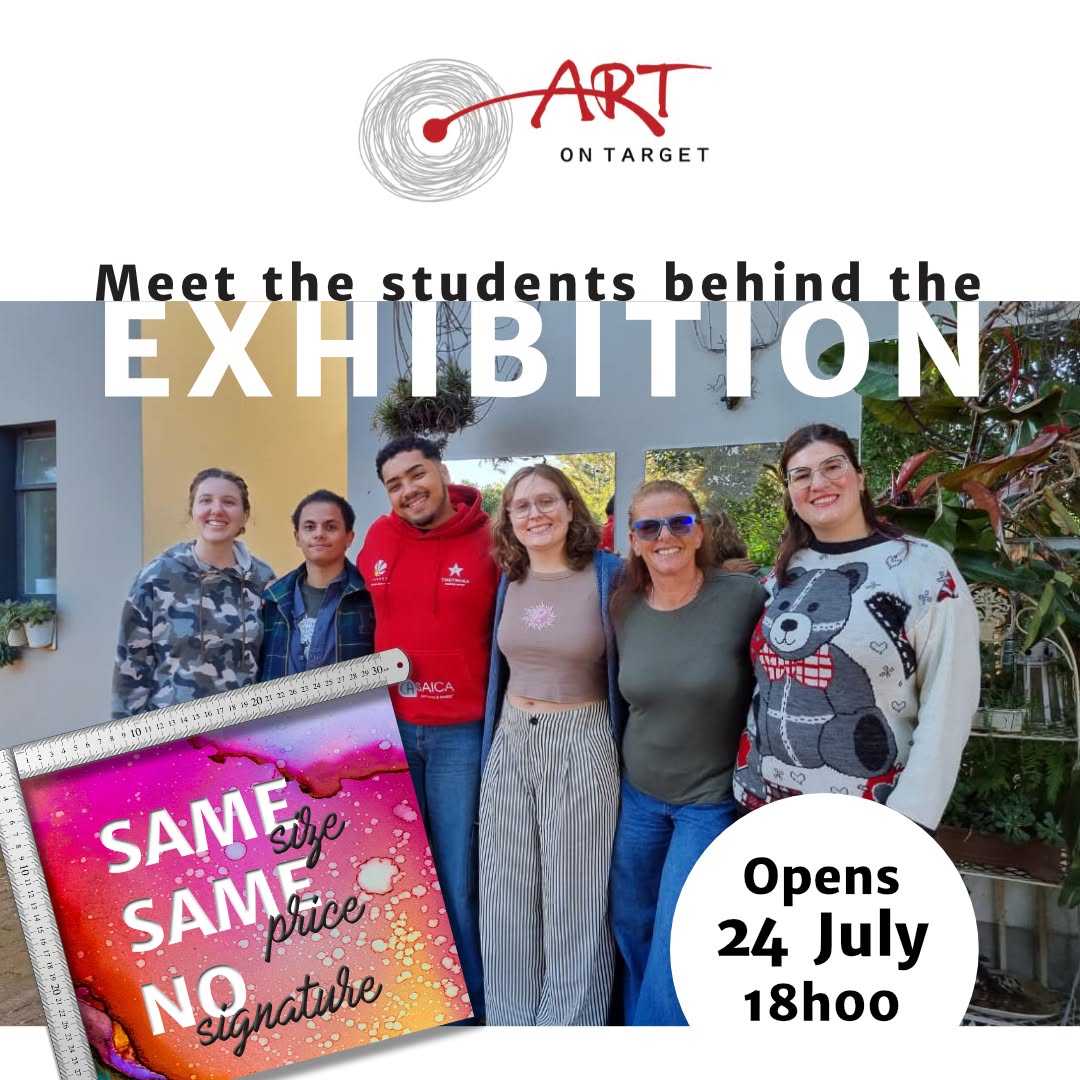
The 2026 exhibition featured 191 artworks submitted by artists from across South Africa. The exhibition was curated and installed by Fine Arts and Photography Honours students Tristin van der Merwe, Cassian Gower, Ra’ees Bonnasse, Ania Draper, Charné Mungur and René Heunis.
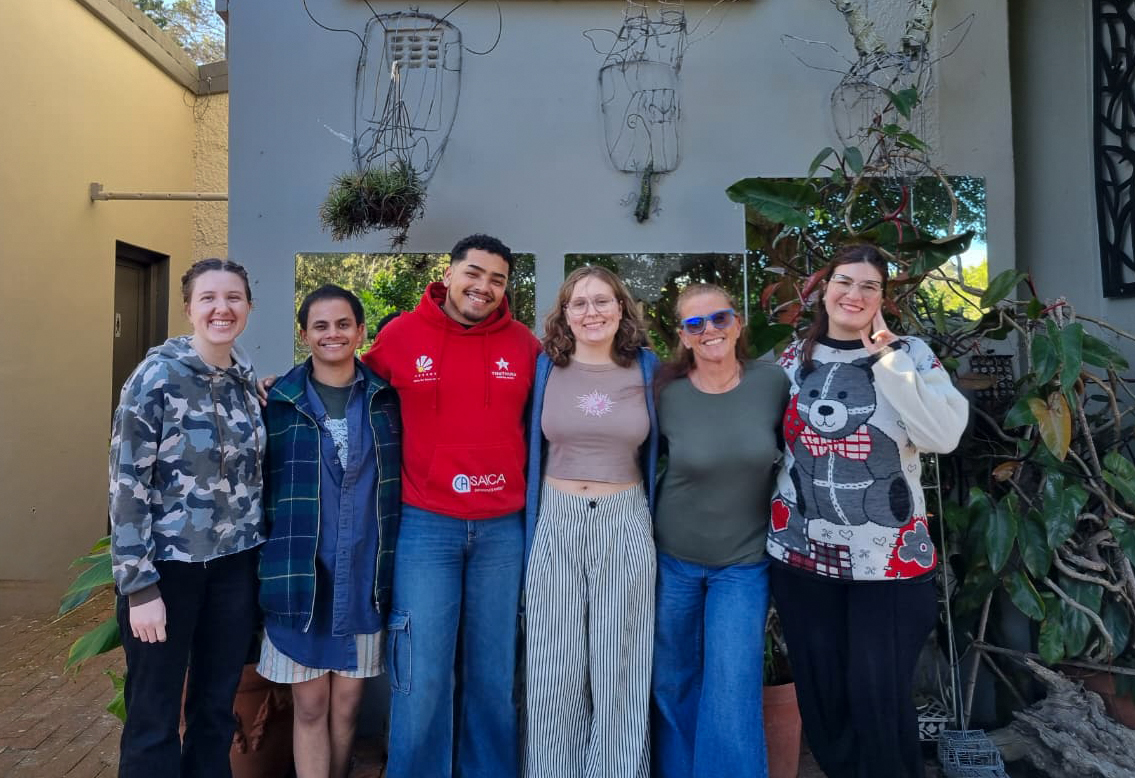
Photo by Leona Mare
The Concept Behind Same Size, Same Price, No Signature
The Same Size, Same Price, No Signature Exhibition is built around the idea of creating an accessible and democratic platform for artistic expression. Unlike a traditional juried exhibition, the exhibition is unselected, meaning that all artworks meeting the stated requirements are exhibited.
The format removes several of the factors that can influence how artworks are viewed. Each work follows specific size requirements, every artwork is sold at the same fixed price of R1 500, and artists do not sign the front of their works. Instead, identifying information is placed on the back.
The exhibition asks an important question: What happens when art is stripped of ego, reputation, and expectation?
The result is a gallery in which the visual impact, emotional connection, and individual appeal of each artwork become central to the viewing experience.
Receiving and Checking the Artworks
The exhibition process began before any artwork was placed on a gallery wall. Artists delivered their works to Art on Target in person or arranged for them to be sent through courier services. As artworks arrived, they had to be received, checked, documented, and prepared for the next stage of the exhibition.
Curating the Artworks
Once the submission period had closed, the process of transforming a large collection of individual artworks into a cohesive exhibition began.
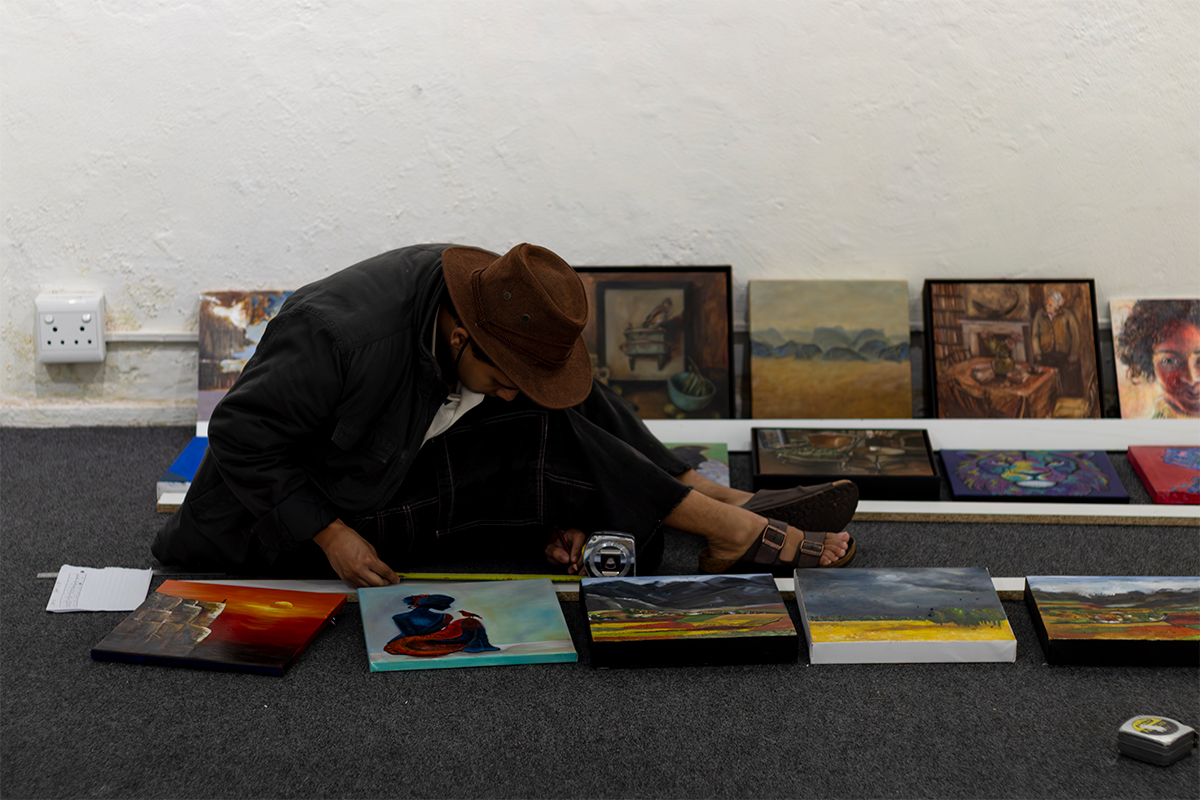
Curation involved considering how the artworks could be arranged throughout the gallery. Because the exhibition included a wide variety of styles, subjects, colours, materials, and approaches, the placement of each work affected the way the exhibition was experienced as a whole.
The group worked collaboratively to sort and organise the artworks while considering visual relationships between them. Certain works created strong connections through colour, subject matter, scale, or composition, while others needed more space to stand independently. The placement of one artwork could influence the appearance of the works surrounding it, meaning that curation involved continual observation, discussion, and adjustment.
Preparing the Gallery
Before the artworks could be installed, the gallery itself needed to be prepared.
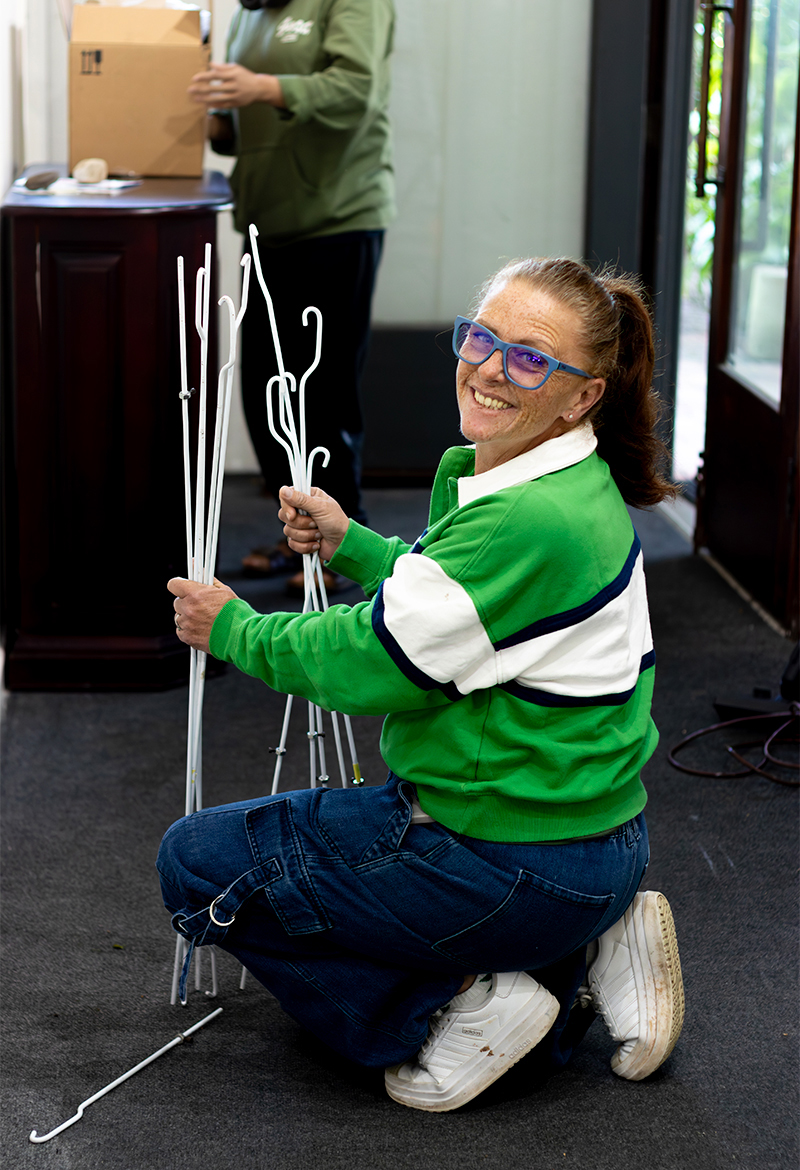
The exhibition team divided responsibilities and worked across different sections of the space. Walls, hanging systems, plinths, and display areas had to be considered before the installation could begin. The gallery needed to remain visually organised while accommodating a large number of artworks.
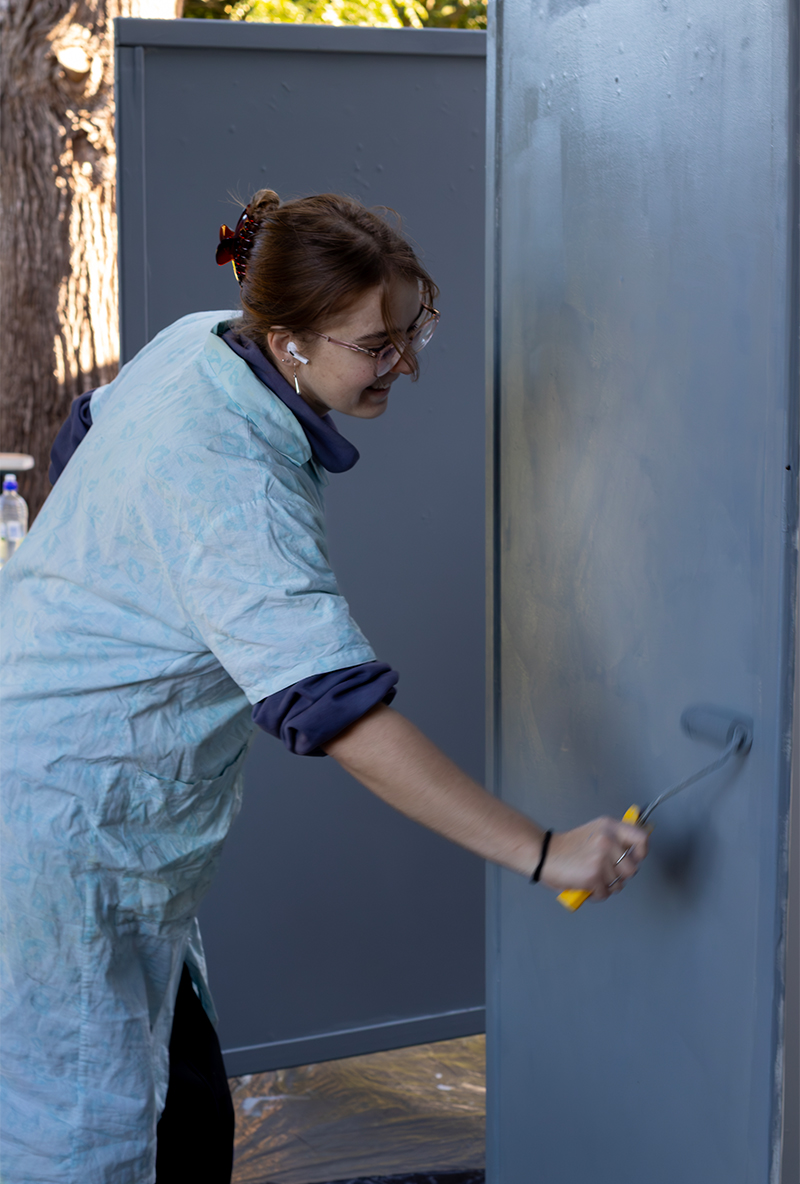
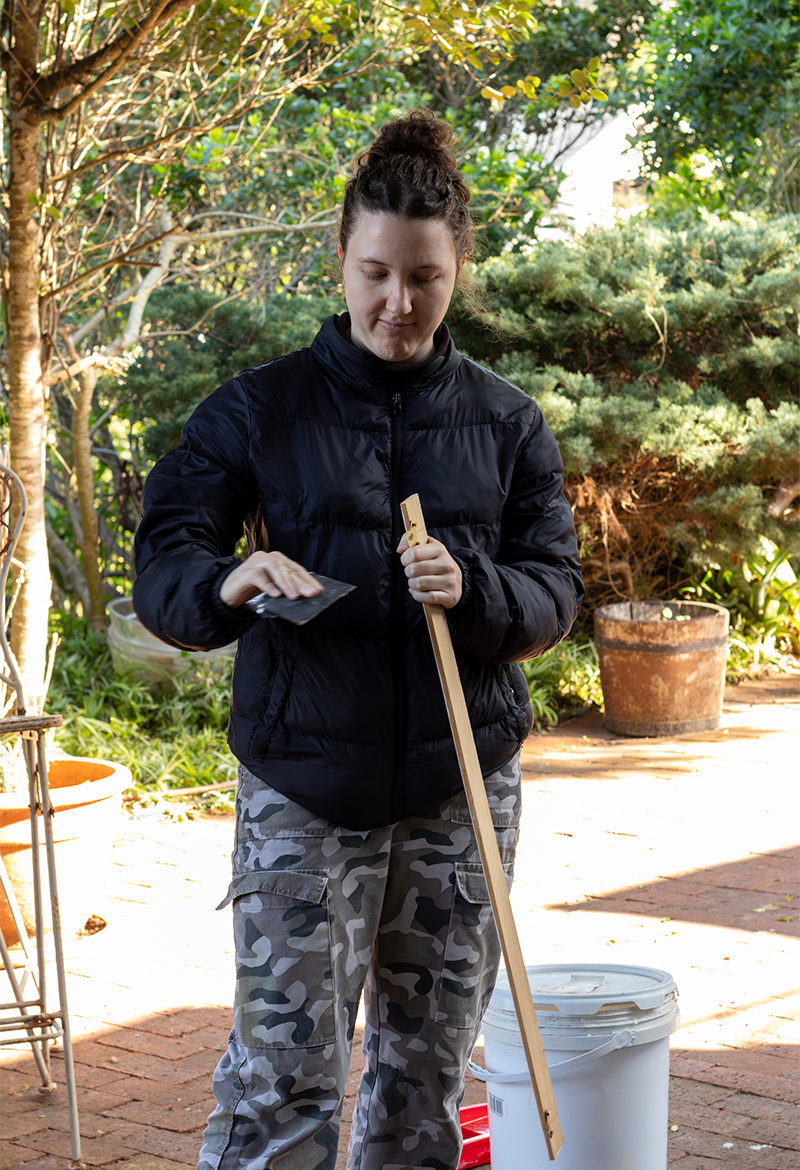
Preparing the space also involved practical work. Areas needed to be cleaned, display surfaces prepared, and the gallery arranged so that visitors could move comfortably through the exhibition. The placement of artworks needed to support both visual engagement and accessibility.
Measuring, Marking, and Installing the Works
Installing an exhibition requires a significant amount of measuring and planning.
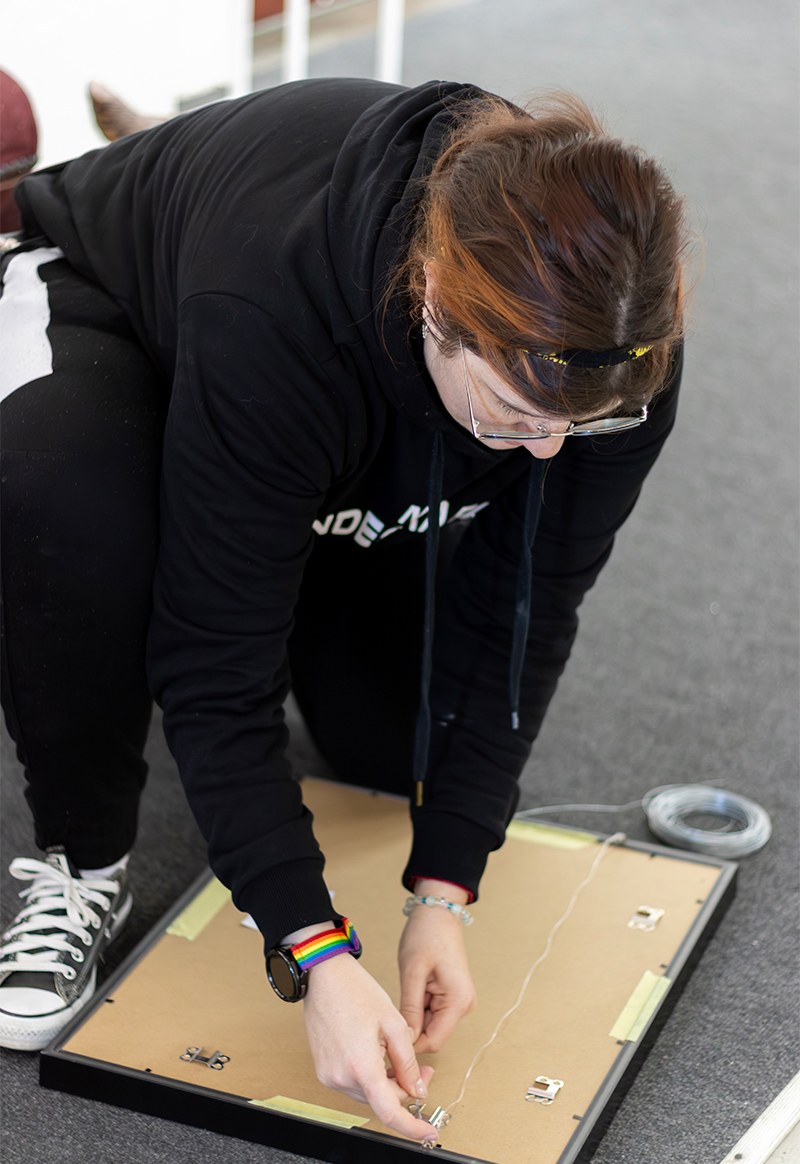
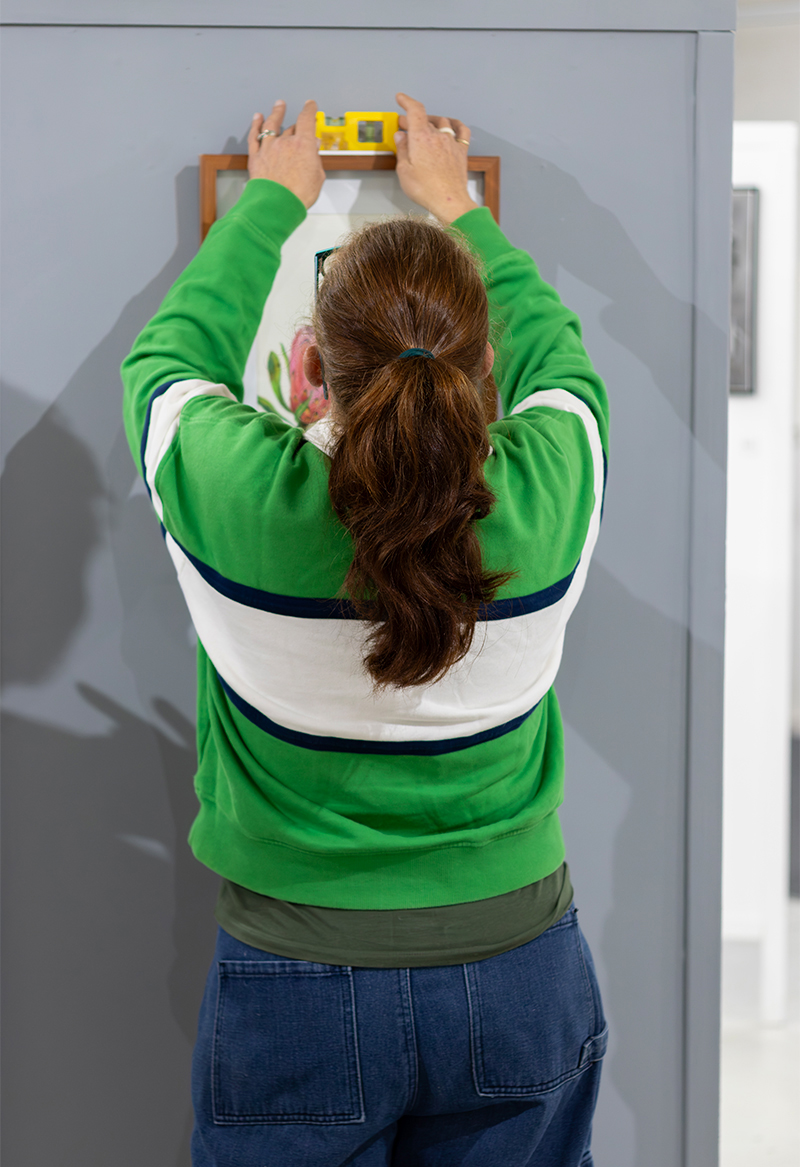
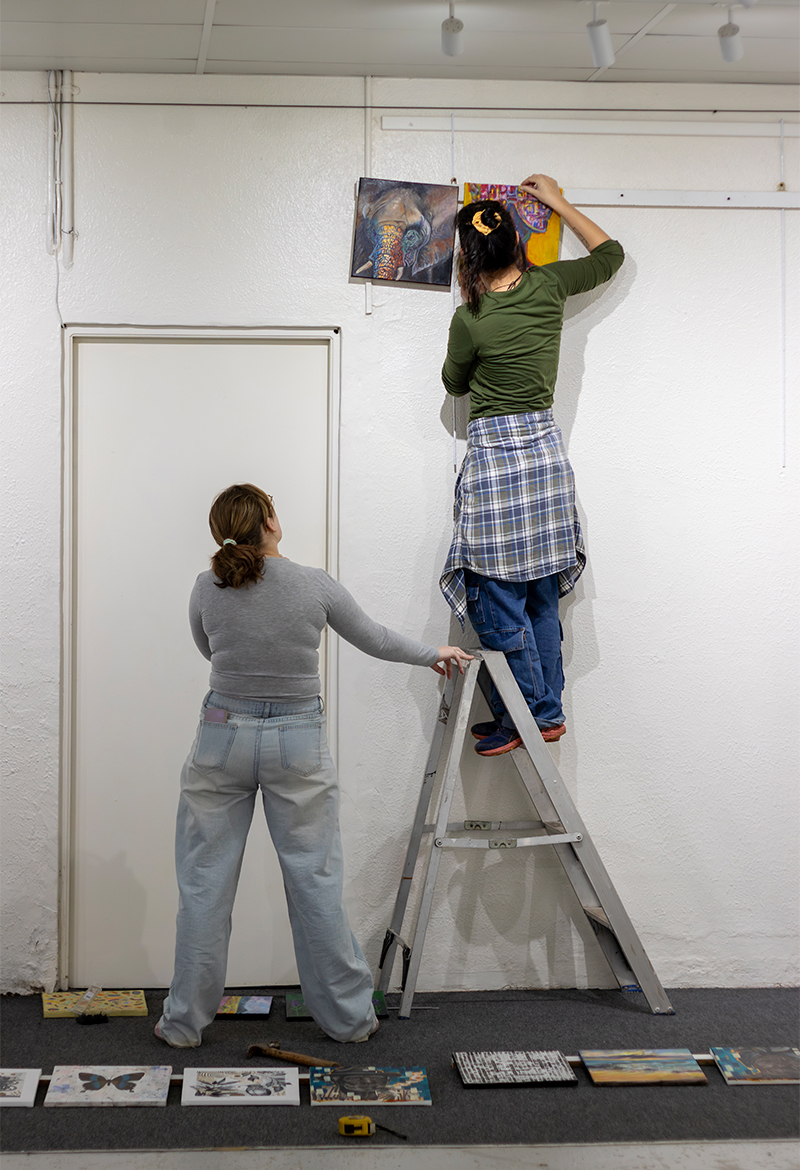
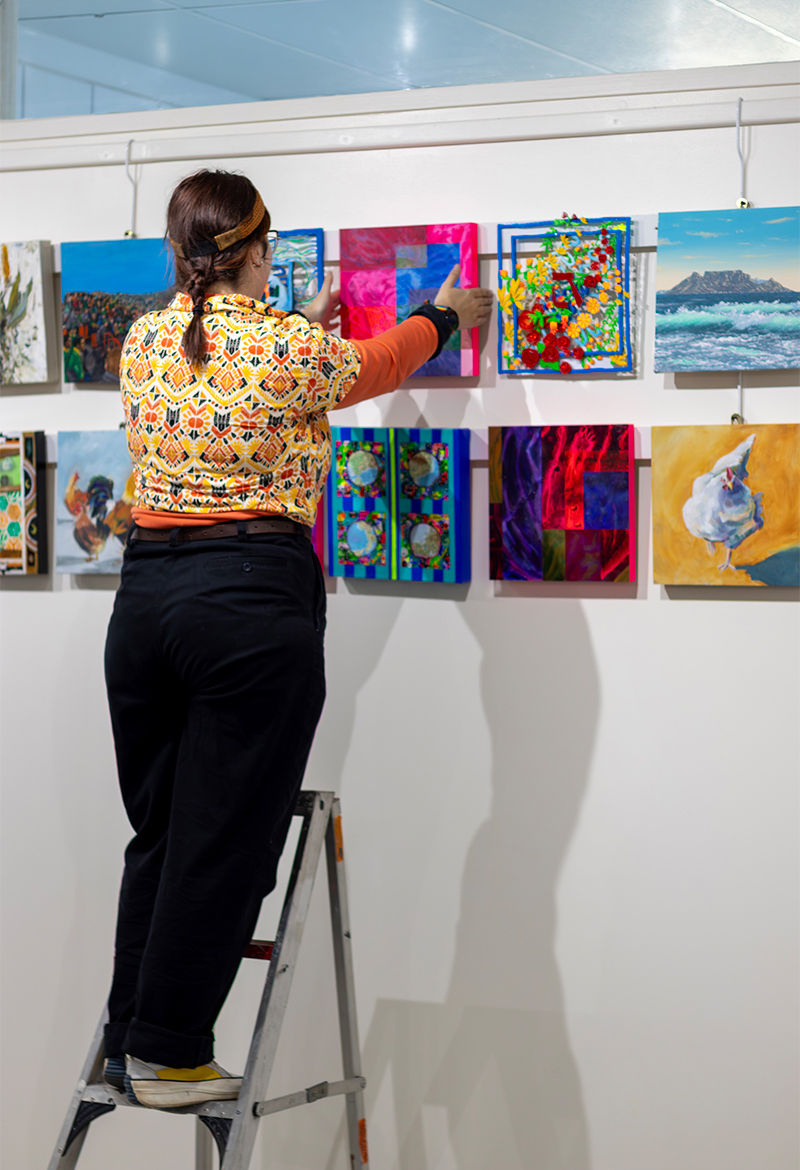
Before artworks could be hung, the team had to determine the placement of each work and mark the appropriate positions. Measurements were necessary to create consistent spacing and ensure that artworks were displayed at suitable viewing heights. The process involved calculating the placement of hanging points, checking alignment, and considering how groups of artworks would function together across the walls. A small adjustment to one artwork could affect the spacing of several others, meaning that installation often required repeated measurements and careful checking.
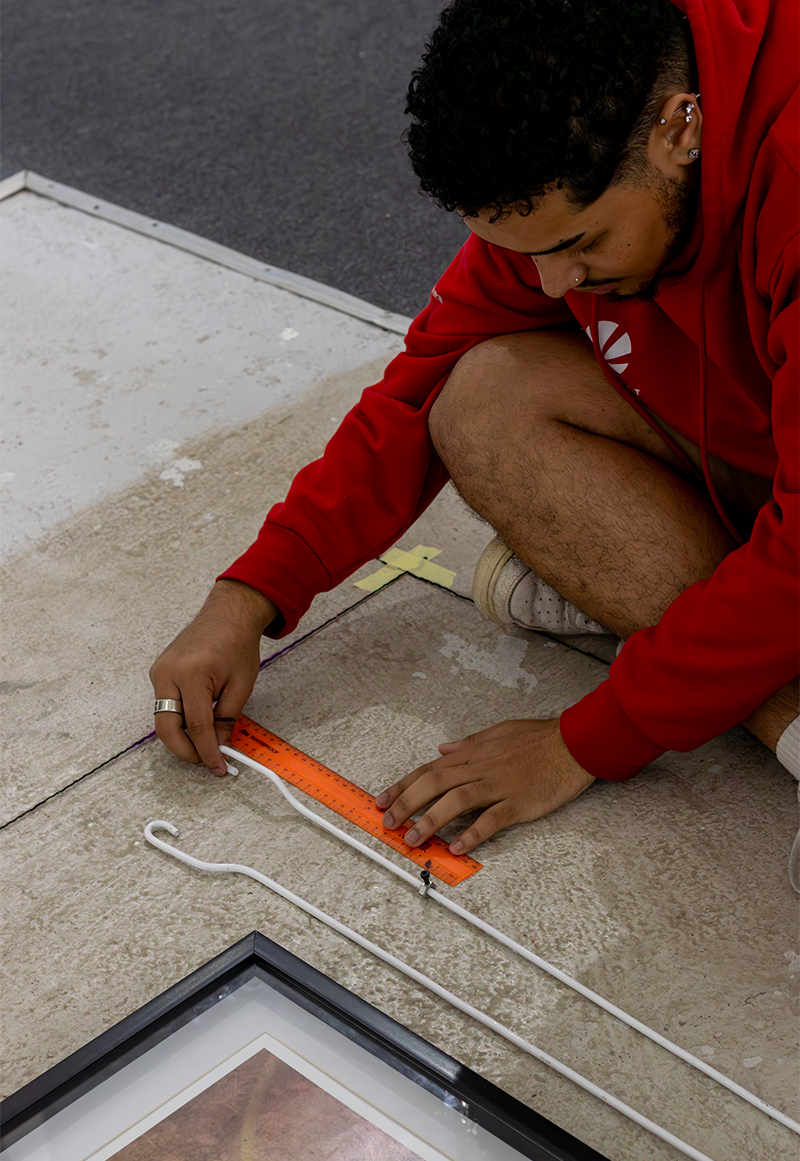
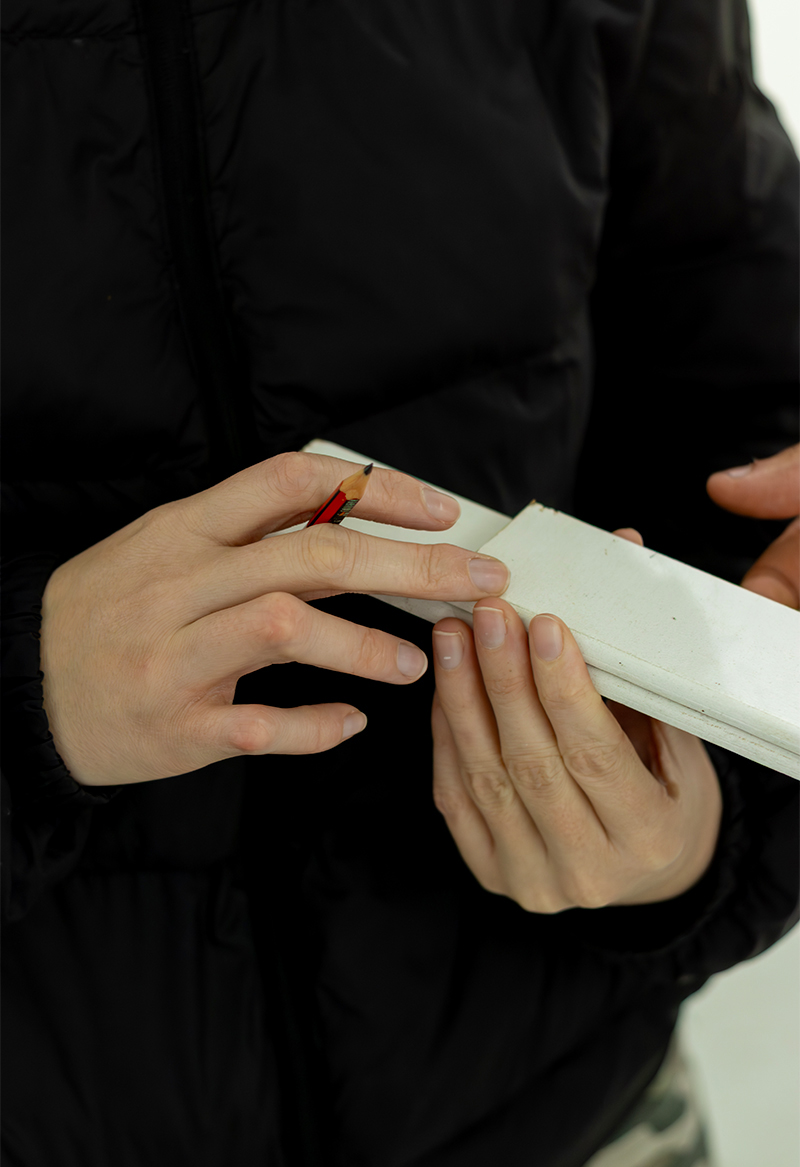
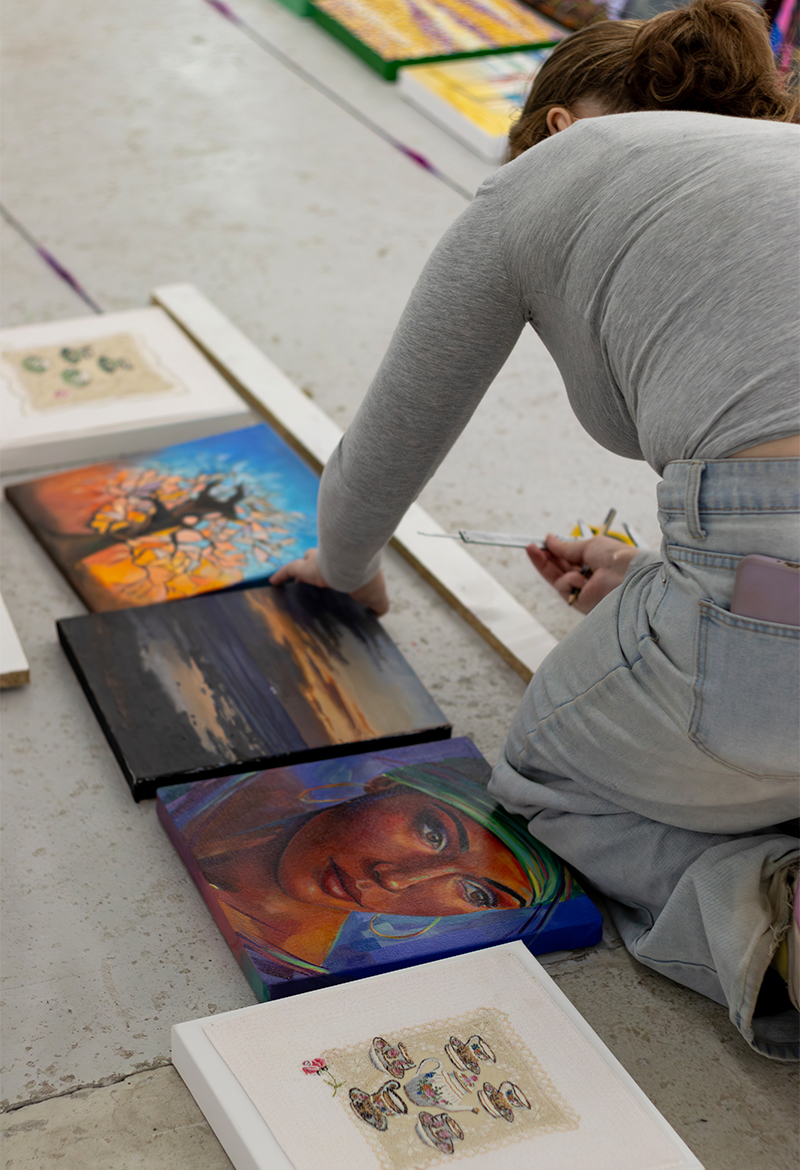
Once the positions had been established, the works could be hung and levelled. This stage required both technical precision and visual judgement. Even when an artwork was mathematically aligned, it still needed to be viewed within the wider context of the exhibition.
The team continually checked the arrangement from different points within the gallery. Viewing the exhibition from a distance made it possible to identify uneven spacing, visual imbalances, or areas that required further adjustment.
Labelling and Maintaining Anonymity
Once the artworks had been installed, the exhibition required clear identification for organisational and sales purposes.
Because Same Size, Same Price, No Signature is an anonymous exhibition, traditional artist labels could not be used. Instead, each artwork was assigned an identification number. These numbers allowed gallery staff and visitors to identify works while preserving the anonymity of the artists.
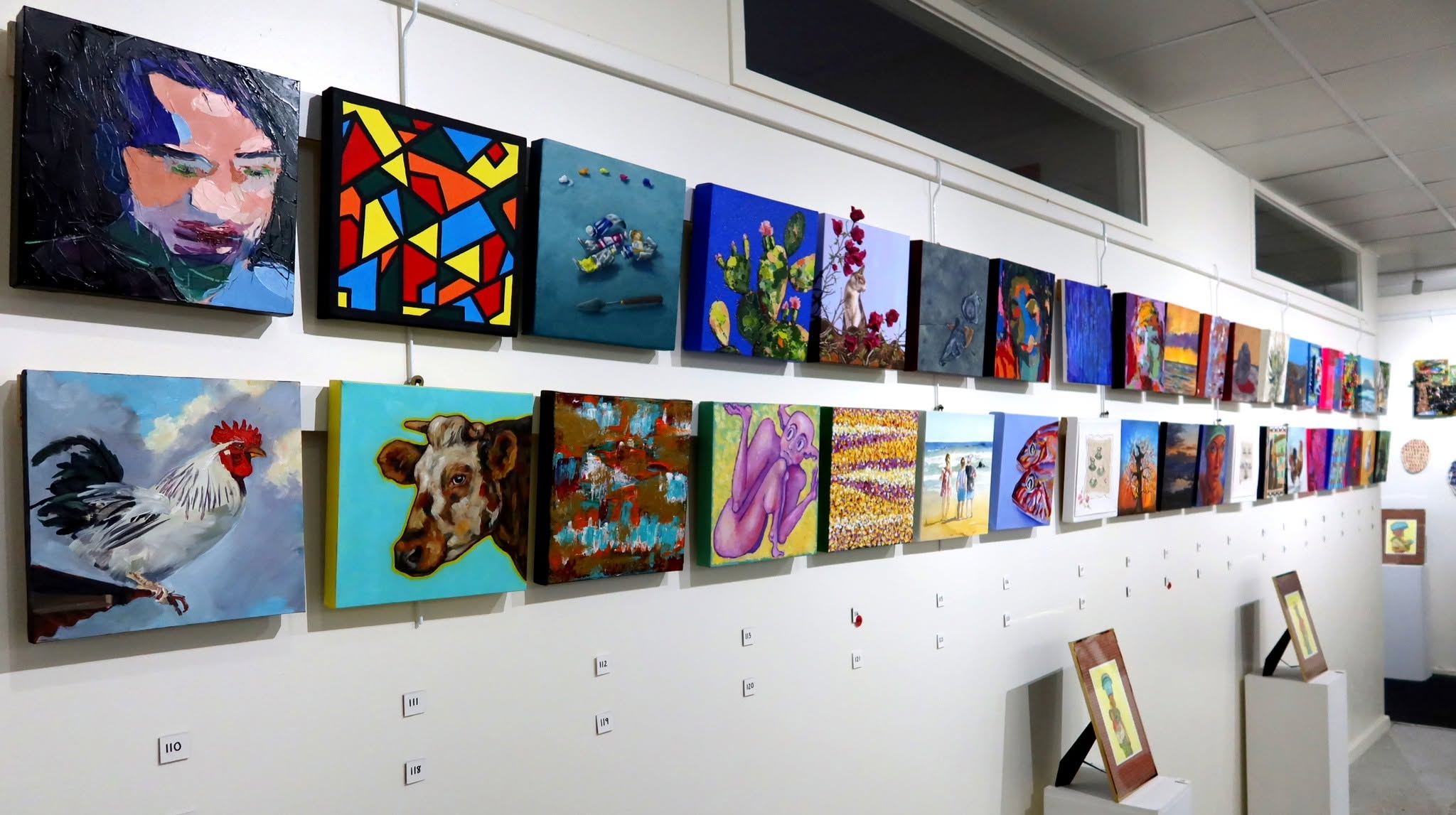
Photo by Basil Brady
Our Honours Student Exhibition
Alongside the Same Size, Same Price, No Signature Exhibition, the Honours students were given a dedicated exhibition space to display their own work.
This created an opportunity for us to introduce our individual practices to the local arts community while participating in a larger public exhibition. We were responsible for curating and installing our own works within the allocated space.
The student exhibition required its own planning and decision-making. We considered how the artworks could be arranged, how they related to one another, and how the exhibition could communicate the diversity of our individual practices.
Having our work displayed within Art on Target also created opportunities to engage with artists, visitors, collectors, and other creative professionals. The experience extended beyond exhibiting our work; it provided an opportunity to develop professional relationships and become more familiar with the local visual arts community.
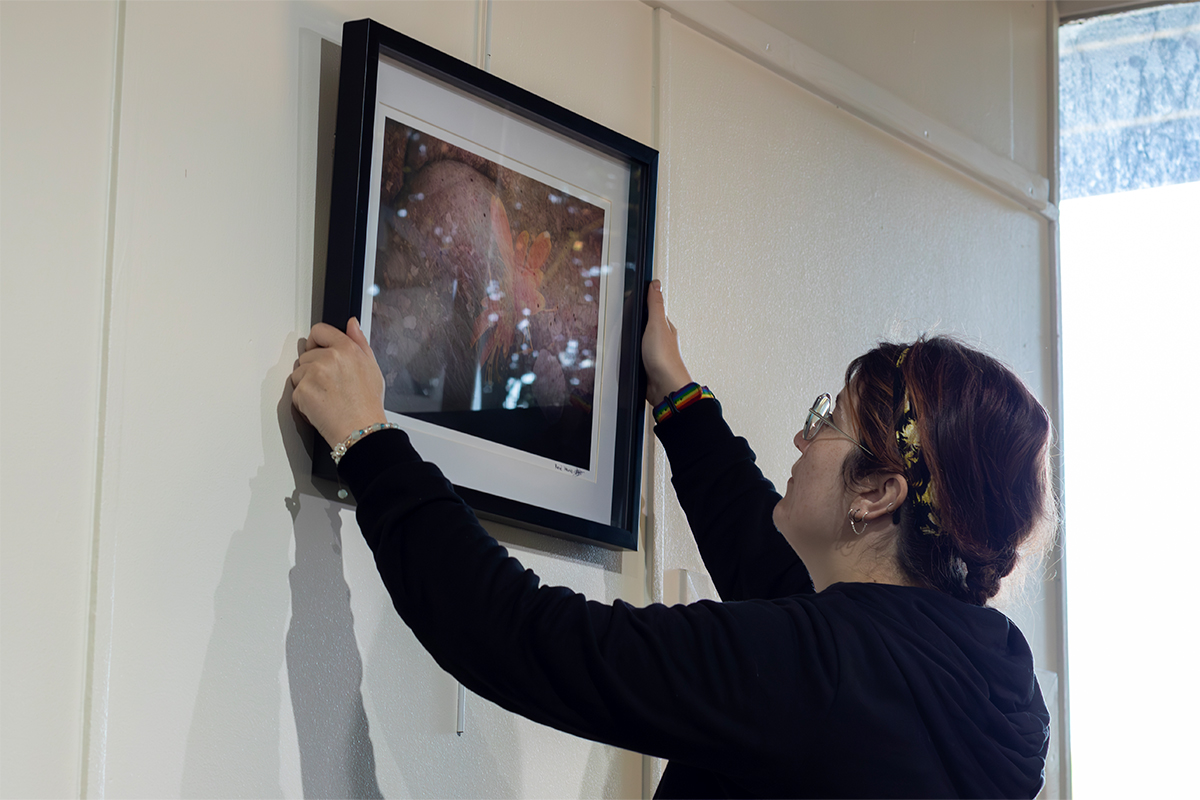
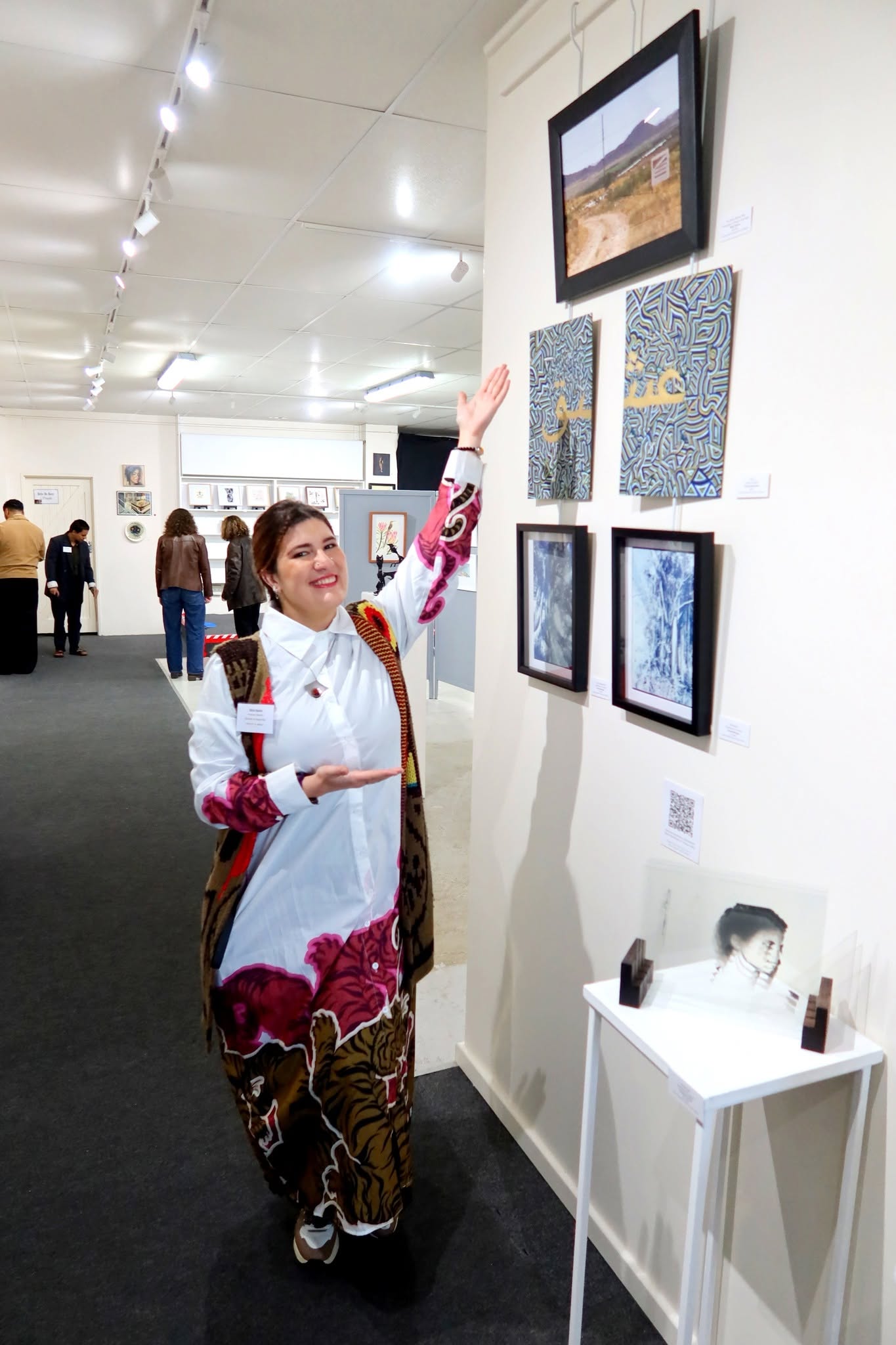
Photo by Basil Brady [right]
Preparing for Opening Night
Once the exhibition had been installed, attention shifted towards preparing for the opening event on 24th July 2026.
During the event, different responsibilities were shared among the students and gallery team. These included welcoming and assisting guests, serving refreshments, working throughout the gallery, supporting sales, and helping visitors identify artworks.
Opening night provided an opportunity to see the exhibition from a different perspective. After spending days handling, arranging, measuring, and installing the artworks, it was rewarding to observe visitors engaging with the finished exhibition.
Every artwork was sold at the same fixed price of R1 500, with artists receiving R1 200 from each sale. A portion of the proceeds supported an art scholarship for disadvantaged students, allowing the exhibition to contribute to broader educational opportunities within the arts.
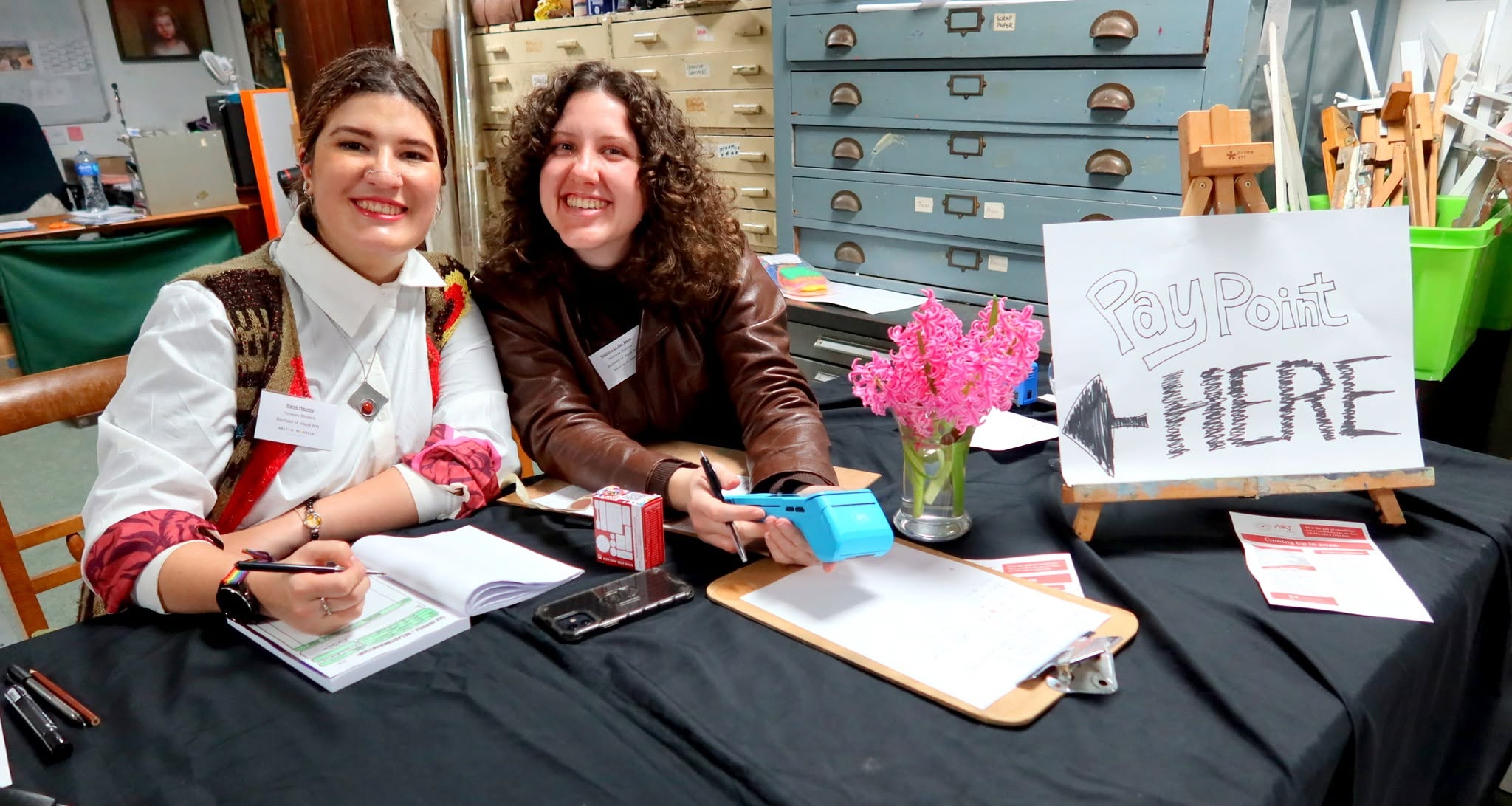
Photo by Basil Brady
The work does not end after opening night.
The exhibition remains open from 25 July to 14 August 2026, and students have to participate in gallery duties throughout the exhibition period.
At the end of the exhibition, the installation process takes place in reverse.
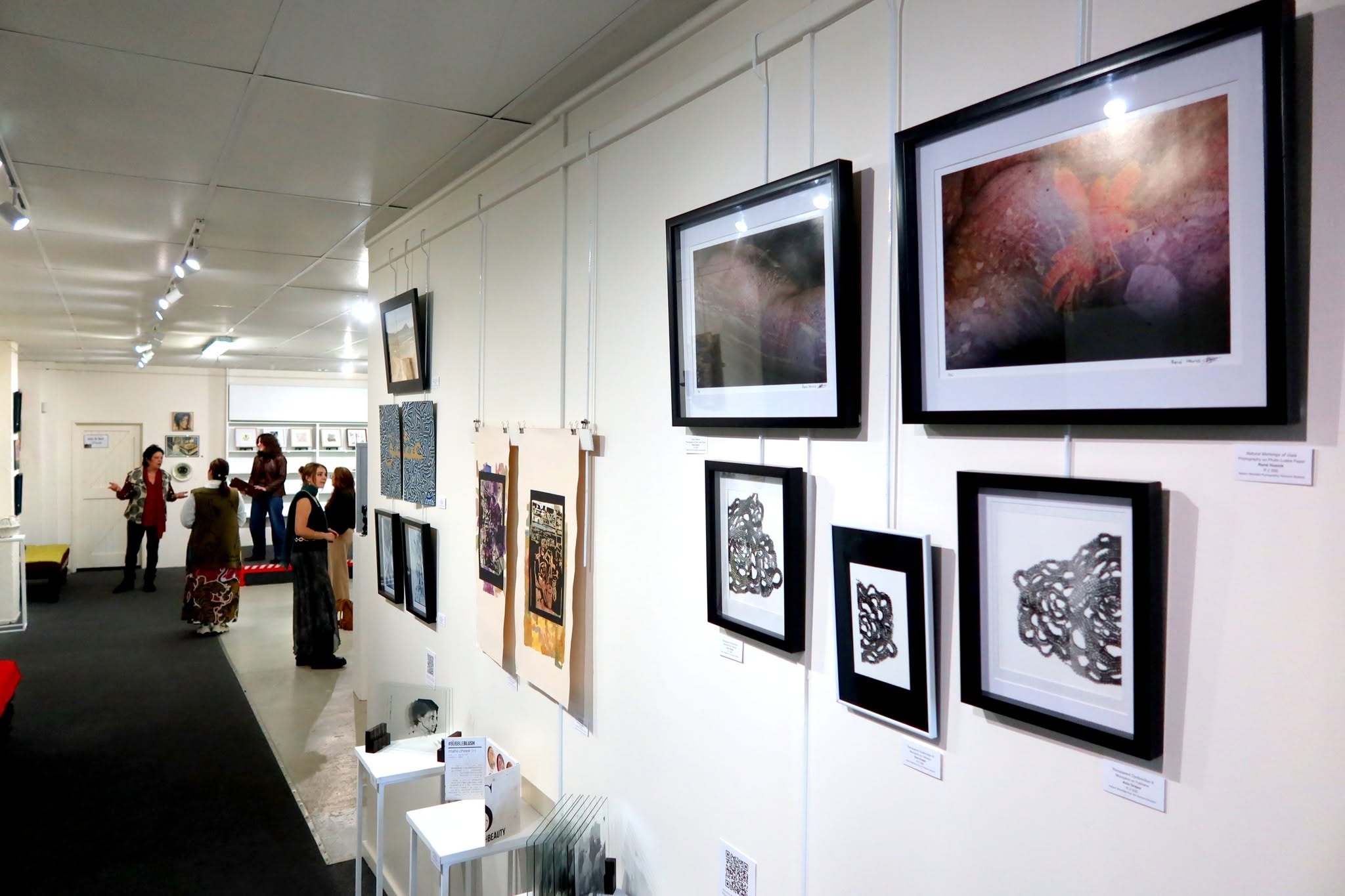
Photo by Basil Brady
Learning Beyond the Classroom
Working on the 2026 Same Size, Same Price, No Signature Exhibition provided practical experience that could not be gained through classroom learning alone.
As Honours students, we were involved in the exhibition from beginning to end. The experience demonstrated that an exhibition depends on many interconnected forms of work. Curation requires visual thinking and collaboration. Installation requires technical knowledge, precision, and physical labour. Administration requires organisation and attention to detail. Public events require communication, professionalism, and the ability to engage with visitors.
The project also highlighted the importance of collaboration. With six students working together, responsibilities had to be shared, decisions discussed, and challenges addressed collectively. Each person contributed different skills and perspectives to the process.
For me, the experience expanded my understanding of what happens behind the scenes of an exhibition. It showed how much work is required to transform a collection of individual artworks into a professional public event and provided valuable experience in curatorial practice, exhibition installation, gallery administration, and professional engagement.
It was an experience I'll never forget and one I hope that will lead to many more.
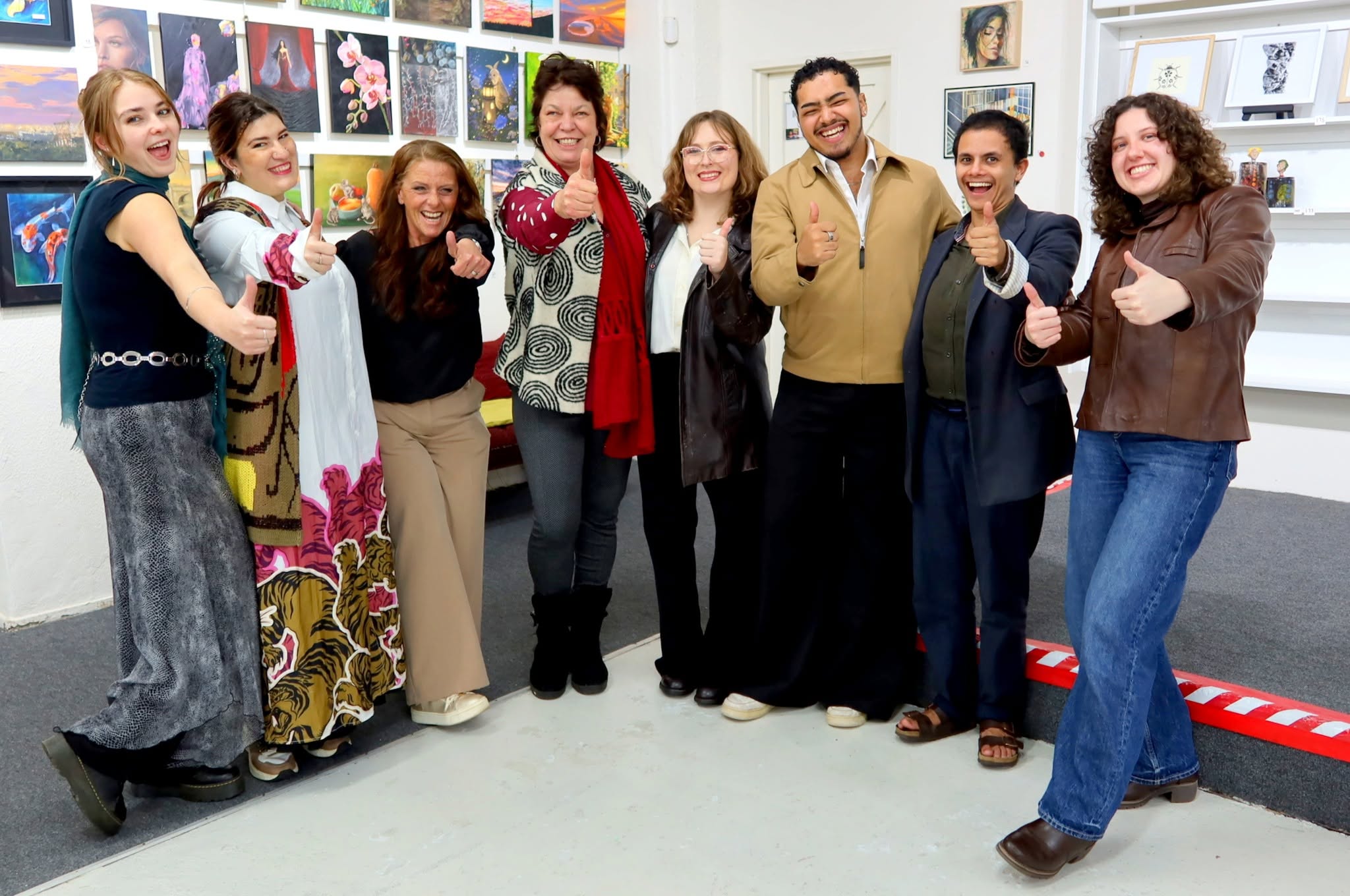 Photo by Basil Brady
Exhibition Venue: Art on Target, 2 Target Kloof, Essexvale, Port Elizabeth