Behind the Scenes: Creating an Indoor Fashion Editorial
By Rene · 31 July 2026
Fashion photography is often experienced through the final image: the clothing appears carefully styled, the models seem effortlessly posed, and every element within the frame feels intentional. However, behind each photograph is a process of planning, collaboration, problem-solving, and creative decision-making. For this indoor fashion editorial, the shoot involved much more than setting up a camera and photographing the garments. The environment had to be carefully prepared to support the designer’s concept while also creating a practical and organised space for the models, clothing, and production team.
Katlego Radebe 2025
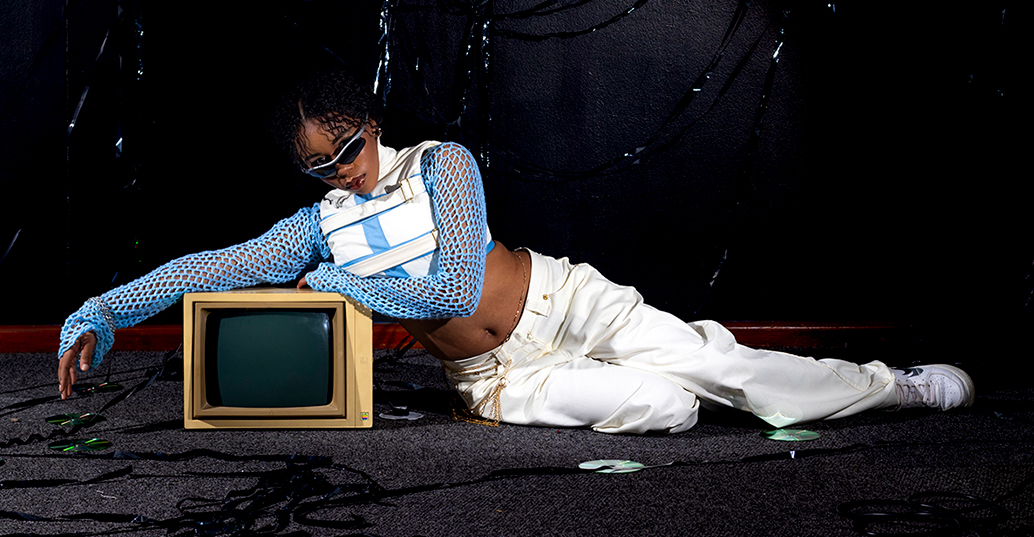
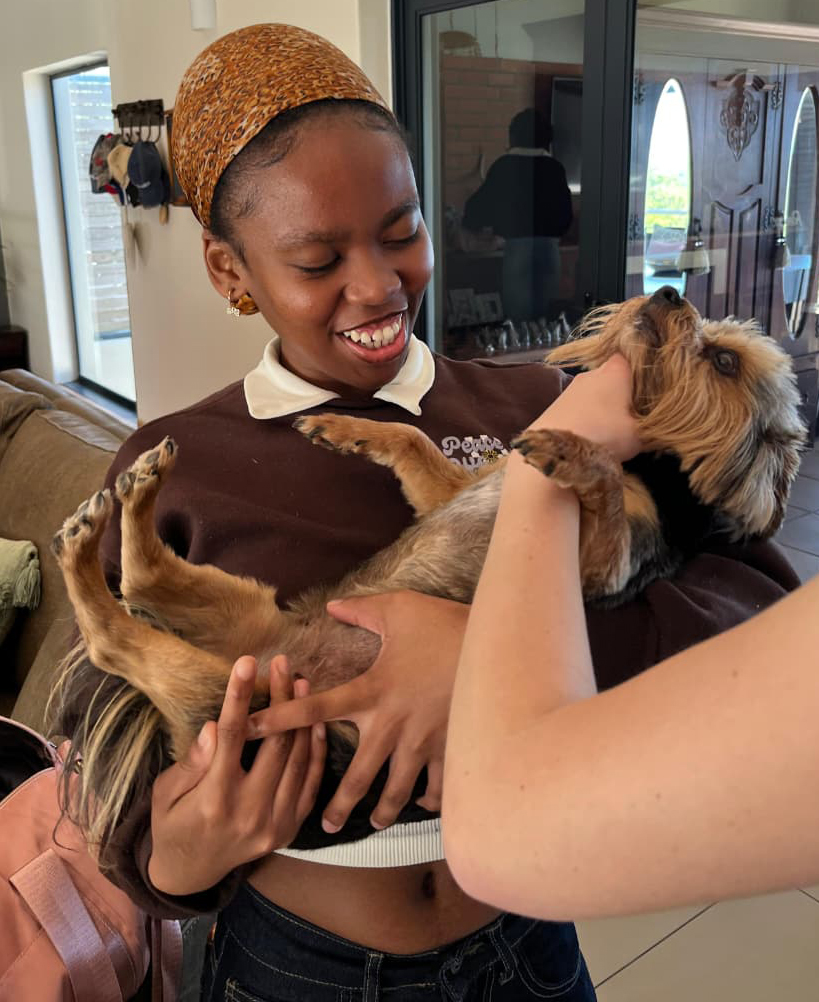
This editorial was created in collaboration with fashion designer Katlego Radebe, whose collection explores the idea of escapism and the ways people use clothing as a means of escape. The garments visually communicate different experiences of restriction and freedom. More complex and layered outfits represent a greater sense of constriction, while simpler garments suggest movement away from restriction and towards escape. This relationship between limitation and freedom became an important consideration throughout the planning and production of the shoot.
The collection used a carefully selected colour palette of white, blue, and gold, with each colour contributing to the visual identity of the range. Katlego incorporated a variety of materials, including genuine leather, crochet, denim, and cotton. These materials created contrasts in texture, structure, weight, and movement. Because fashion photography is not only about documenting clothing but also about communicating its character, it was important to consider how the lighting, poses, and environment would reveal the details and qualities of each garment.
Setting Up the Lighting
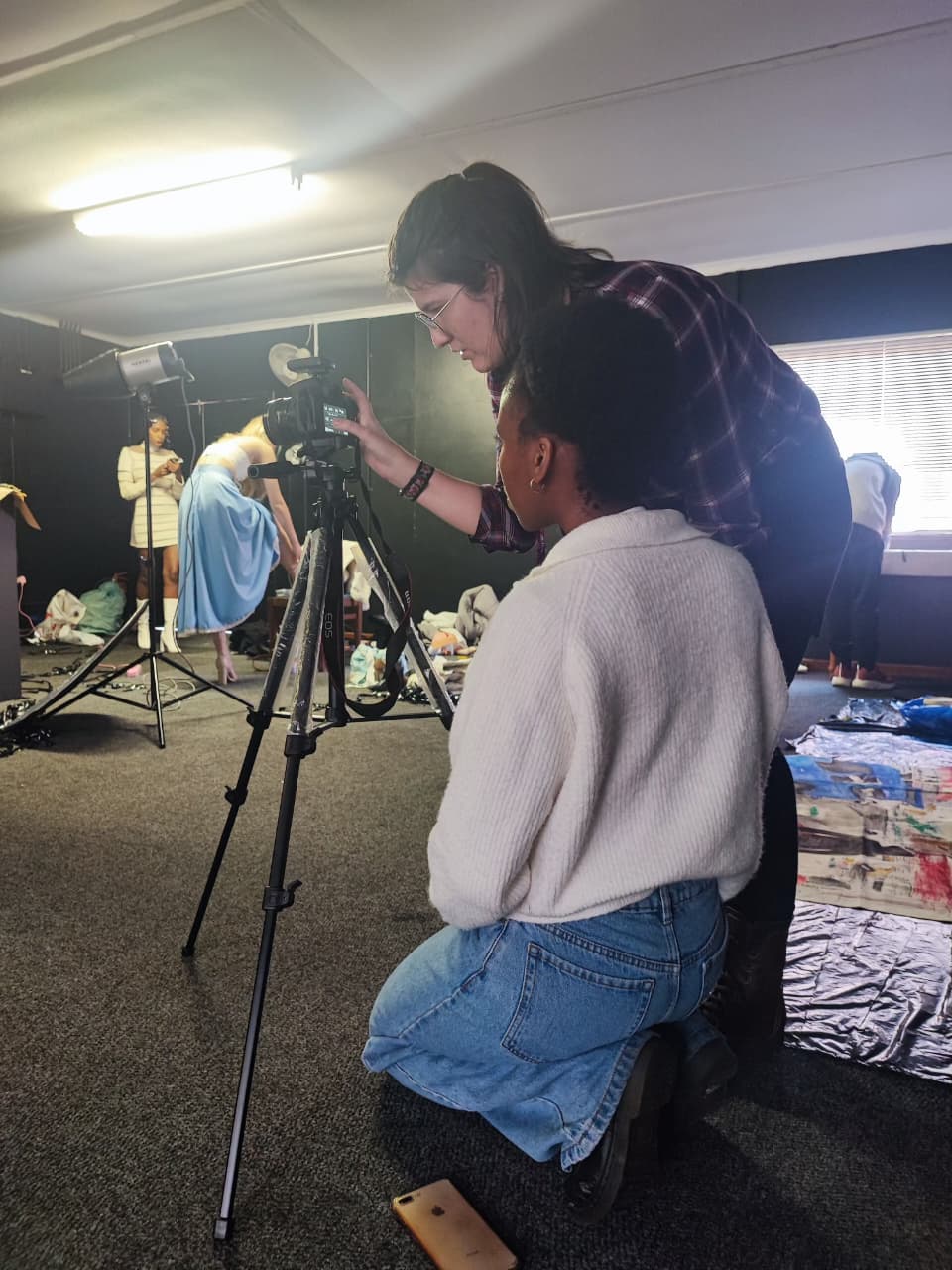
Lighting played an essential role in shaping the atmosphere of the editorial and revealing the materials used throughout the collection. Because the shoot took place indoors, the lighting setup had to be planned and adjusted to create consistent exposure while maintaining the intended mood.
The lights were positioned to illuminate the models and garments while bringing attention to the different textures within the collection. Materials such as leather, crochet, denim, and cotton respond differently to light. Leather can create highlights and reflections, while crochet contains detailed patterns and openings that require careful lighting to remain visible. Denim and cotton have different surfaces and levels of texture, meaning that the lighting needed to support the details of each garment rather than flatten them.
Coordinating the Models
Model coordination was another important part of the production. Before the shoot, the models had to be arranged and informed about the time, location, concept, and expectations for the day. Clear communication helped ensure that everyone understood the creative direction and could arrive prepared.
During the shoot, the models needed to move between the dressing area and the photography space while changing into different garments. Keeping this process organised helped the production continue smoothly and reduced unnecessary delays. The designer also needed opportunities to check the clothing, adjust the garments, and ensure that each look was presented as intended.
Fashion photography is a collaborative process, and the models played an important role in communicating the collection’s concept. Their expressions, body language, movement, and interaction with the garments contributed to the visual narrative of escapism.
Directing and Posing the Models
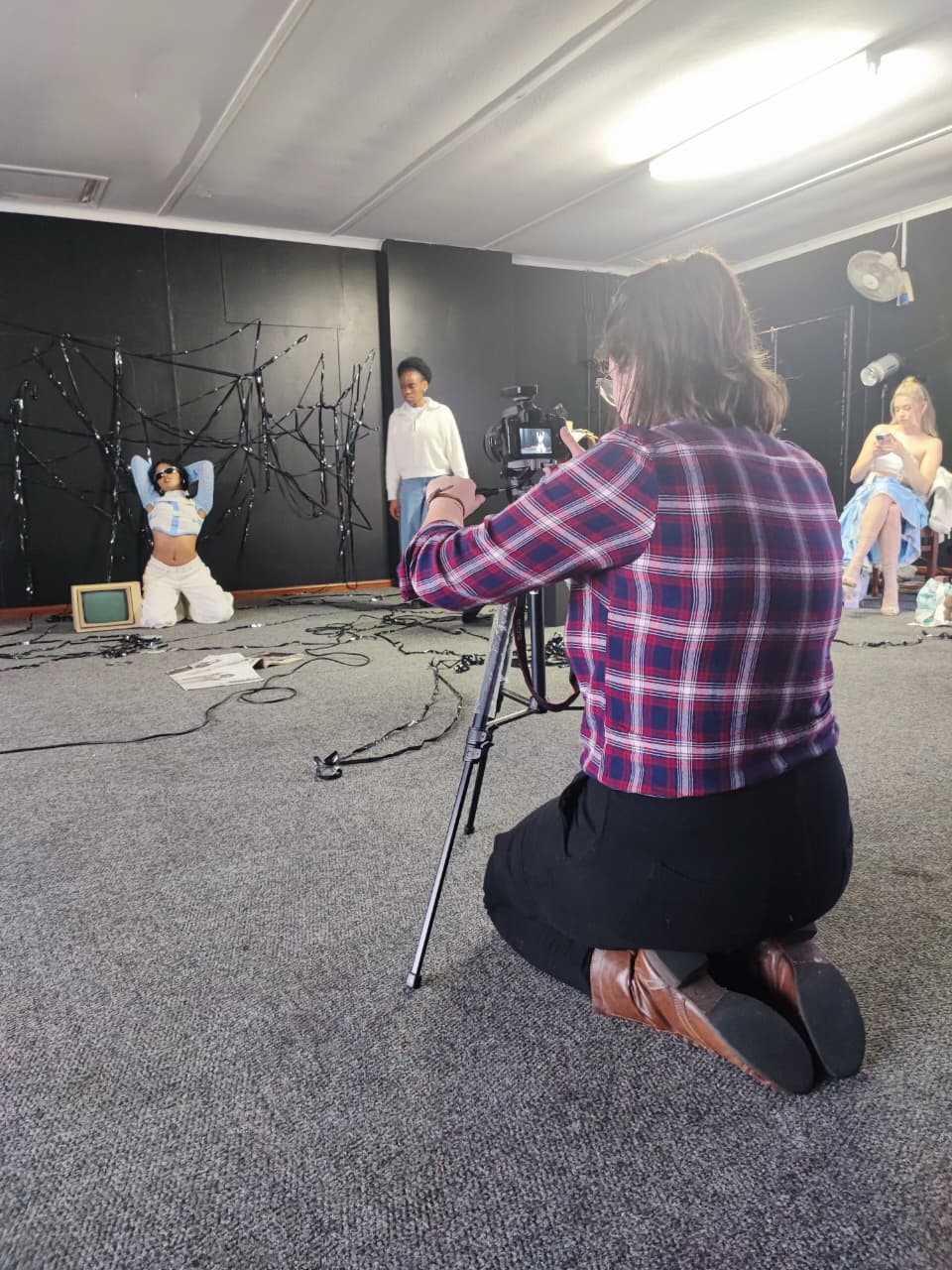
Posing was carefully considered in relation to the meaning behind the collection. Rather than asking the models to repeat the same poses for every look, their positions were adapted to the structure and complexity of the garments.
Creating a Cohesive Editorial
The goal of the shoot was to create a connected series rather than a collection of unrelated fashion photographs. Each image needed to contribute to the overall narrative while presenting the garments clearly. This required attention to the relationship between clothing, colour, material, lighting, composition, and model direction.
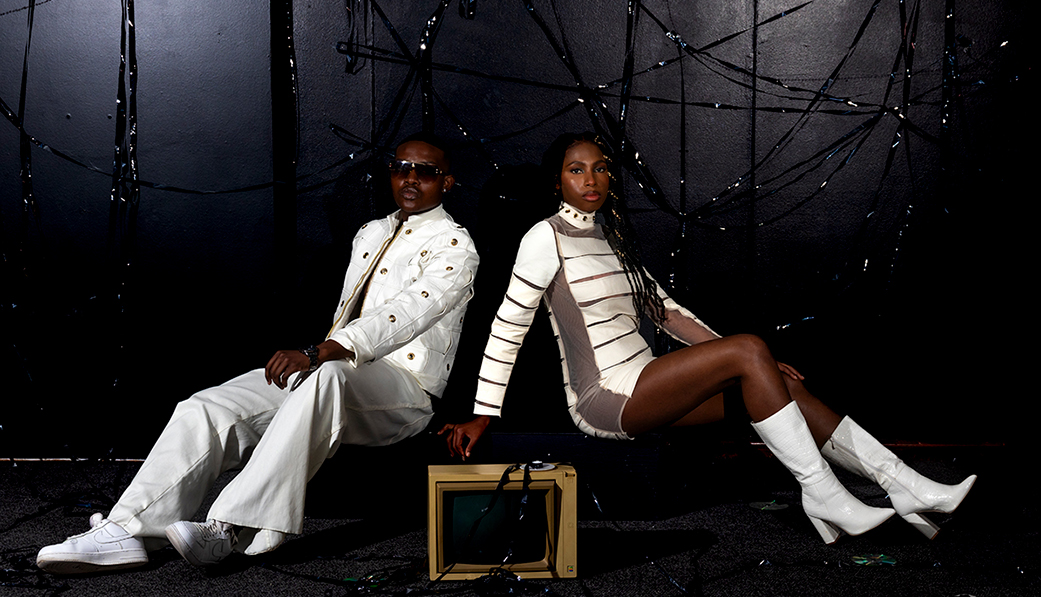
Behind every finished fashion image is a series of decisions that may not be visible to the viewer. The preparation of the room, the availability of a dressing space, the setup and adjustment of the lights, the coordination of the models, and the direction of each pose all contributed to the final editorial.